
Energy & Fatigue
Ubiquinol is essential for Energy
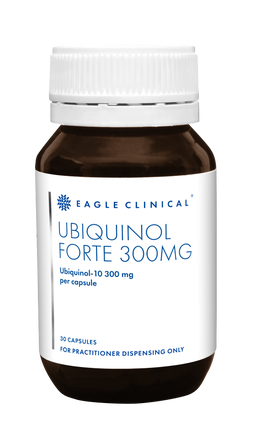
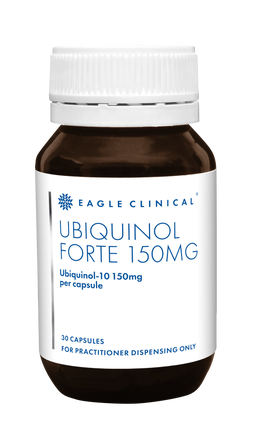
Your body needs Ubiquinol to generate energy. It acts within your cells to help naturally support energy levels.1,2
How does it work?
There are two forms of CoQ10 – ubiquinone, the oxidised form and ubiquinol, the reduced, antioxidant active form. Ubiquinol is vital in the production of cellular energy and for antioxidant activity.1,3
In the mitochondria, Ubiquinol plays a role in transferring electrons to generate cellular energy, known as ATP. Its electron transfer ability also makes it a very good antioxidant.1,3
Fatigue
Ubiquinol is the “spark plug” that helps fire energy production in your cells.
Ubiquinol’s antioxidant capability is important, as free radicals are naturally produced as part of ATP generation within our cells. Ubiquinol helps decrease free radical damage to cells, including the mitochondria.1,3
How can Ubiquinol help?
In order to receive the minimum required amount of Ubiquinol each day (100 – 150mg), one would need to eat 3.4kg of red meat, 5.7kg of chicken or 50 cups of spinach.
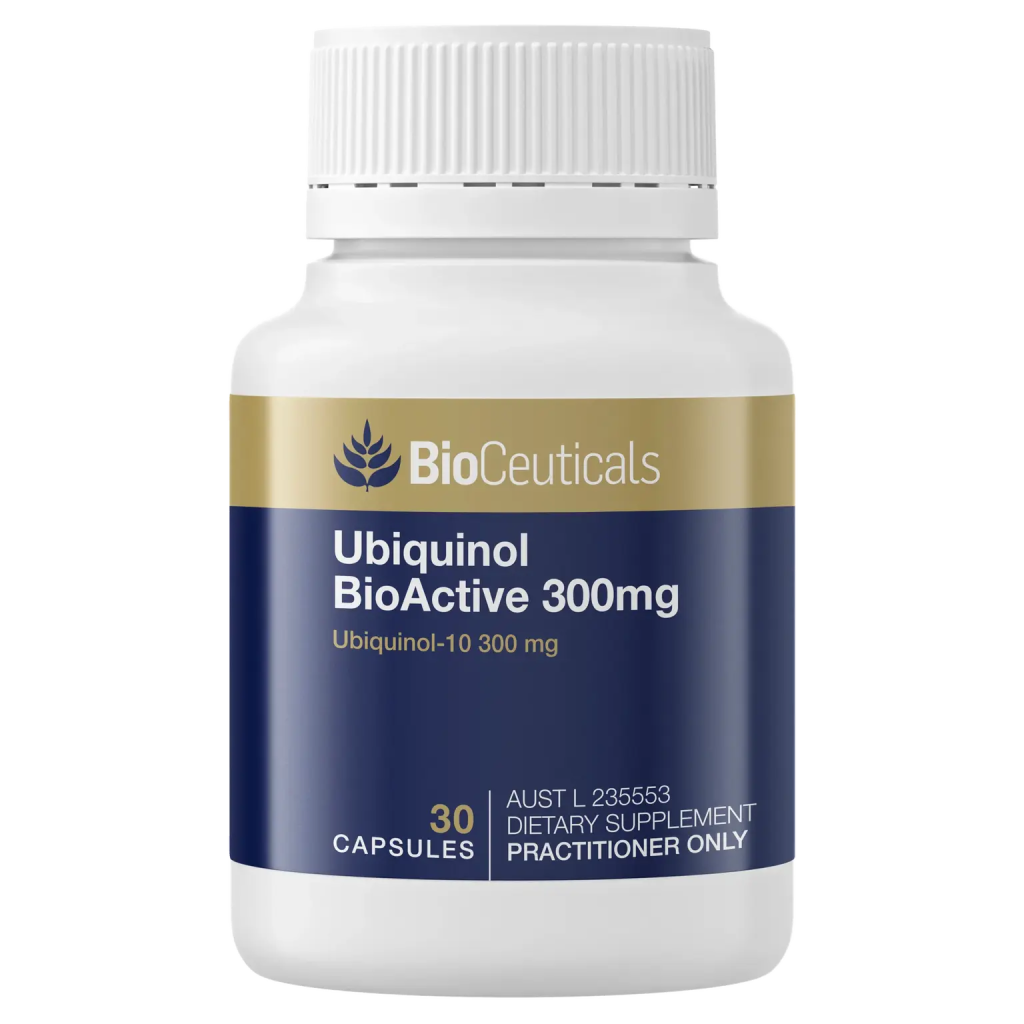
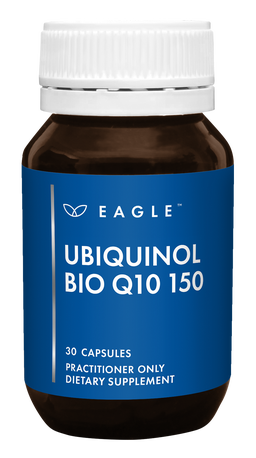
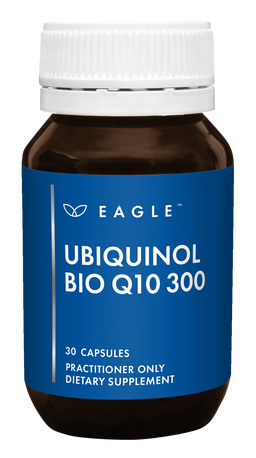
Taking Ubiquinol helps maintain healthy levels in the body and supports energy levels.2,4-7
- Cirilli I, et al. Antioxidants (Basel) 2021;10(1325):1-24.
- Mizuno K, et al. Nutrients 2020;12(6):1640. Funded by Kaneka Corporation and Japan Science and Technology Agency.
- Cervellati, R & Greco, E. Helvetica Chimica Acta. 2016;99:41-45.
- Niklowitz P, et al. J Clin Biochem Nutr. 2016;58(3):240-5.
- Zhang Y, et al. Food Funct. 2018;9(11):5653-5659.
- Fukuda S, et al. Biofactors 2016;42(4):431-440. Funded by Kaneka, Inc, Health Labour and Welfare Sciences Research Grant, Japan.
- Tsai IC, et al.. Front Pharmacol. 2022 Aug 24;13:883251. Funded by the National Taiwan University Hospital, Ministry of Science and Technology, Taiwan and the Taiwan Society of Ultrasound in Medicine.